
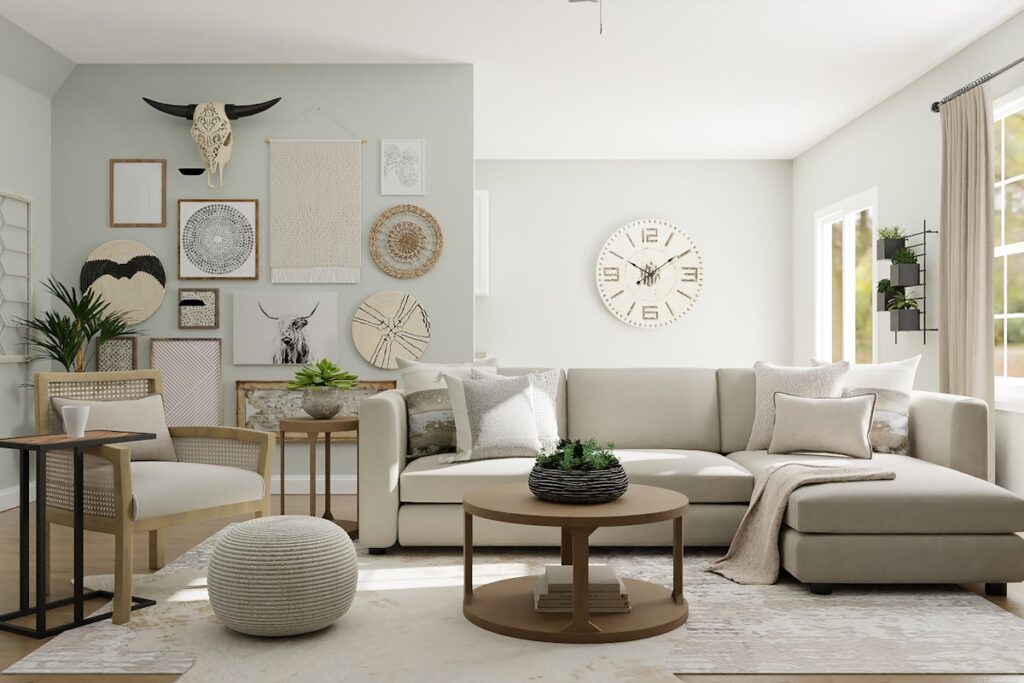
How to Hang Wall Art Like a Pro — Height, Spacing & Tools Guide
Hanging wall art might seem simple, but getting it wrong can throw off an entire room’s aesthetic. Whether you’re displaying a single statement piece or curating a gallery wall, understanding the fundamentals of height, spacing, and the right tools will help you achieve a polished, professional look every time.
The Golden Rule: Eye-Level Placement
The most common mistake people make when hanging wall art is placing it too high. Galleries and museums follow a standard: the center of the artwork should be 57 to 60 inches from the floor. This aligns with average eye level and creates a natural focal point.
In rooms where you’re typically seated — like a dining room or living room — you can lower the center point to around 48 inches. The key is to match the art’s position to how people will actually view it in that space.

Adjusting for Furniture
When hanging art above furniture like a sofa, console, or headboard, the bottom of the frame should sit 6 to 8 inches above the top of the furniture. This creates a visual connection between the two elements without awkward empty space.
- Above a sofa: leave 6–8 inches between the couch back and the frame bottom
- Above a bed: center the art between the headboard and the ceiling
- Above a fireplace: maintain 4–6 inches above the mantel
Essential Tools for Hanging Wall Art
You don’t need a contractor’s toolkit, but having the right equipment makes the job faster, cleaner, and more precise. Here’s what every homeowner should keep on hand:
- Tape measure — for consistent spacing and height calculations
- Pencil — to mark light guidelines on the wall
- Level — a bubble level or laser level ensures straight placement
- Painter’s tape — for temporary marks that won’t damage paint
- Stud finder — critical for heavier frames
- Picture hanging hooks — use appropriate weight ratings
- Wall anchors — for drywall installations without studs
Choosing the Right Hardware

The weight of your artwork determines the hardware you need. A small framed print under 5 pounds can hang on a simple nail. Anything heavier requires more serious support:
- Under 10 lbs: Standard picture hooks or adhesive strips
- 10–25 lbs: Wall anchors with screws or toggle bolts
- Over 25 lbs: French cleats or direct stud mounting
Spacing Rules for Gallery Walls
Gallery walls are one of the most popular ways to display multiple pieces, but spacing inconsistency is the number one reason they look amateur. Follow these spacing guidelines:
- Maintain 2 to 3 inches between each frame for a tight, cohesive look
- Use 4 to 6 inches if you prefer a more airy, museum-style arrangement
- Keep spacing consistent across the entire layout
Planning Before You Hammer
The secret to a flawless gallery wall is planning on the floor before committing to the wall. Lay all your pieces on the ground and arrange them until you’re satisfied. Then use painter’s tape to outline each frame’s position on the wall, adjusting until everything looks right.

Start with the largest or most central piece and build outward. This anchors the arrangement and gives you a reference point for spacing.
Single Piece Placement Tips
When hanging a single piece of wall art, proportion matters as much as placement. A small frame on a large, empty wall will look lost. Your art should fill roughly two-thirds to three-quarters of the wall space above any furniture it’s positioned over.
If your piece is smaller than ideal, consider grouping it with complementary pieces or placing it on a shelf with other decorative objects to create a fuller vignette.

Common Mistakes to Avoid
Even with the best intentions, certain errors keep showing up in home décor setups. Watch out for these pitfalls:
- Hanging art too high — the most frequent error by far
- Using the wrong hardware — risking falls and wall damage
- Ignoring the room’s proportions — art should scale with the space
- Symmetry obsession — not every arrangement needs to be perfectly balanced
- Skipping the level — a crooked frame is immediately noticeable
Final Thoughts
Learning how to hang wall art properly transforms your space from cluttered to curated. Start with the golden rule of eye-level placement, invest in the right tools, and always plan your layout before making holes in the wall. With practice, you’ll develop an instinct for what looks right — and your walls will thank you for it.
Shop typography prints that are easy to hang and make an instant impact.