Office Wall Art
Boost Productivity, Creativity & Focus with the Right Prints
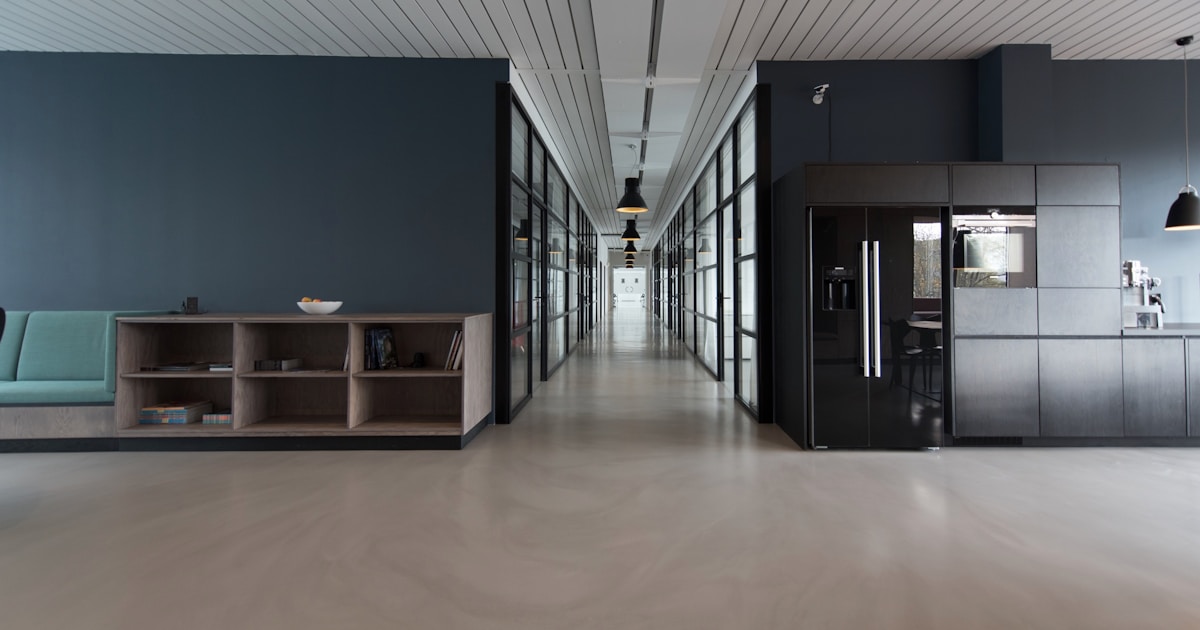
Whether you work from home or in a corporate office, your surroundings directly impact your productivity. Research from the University of Exeter found that employees working in spaces with art and plants were 17% more productive than those in bare environments.
Your office wall art should do three things: inspire focus, spark creativity, and project professionalism to anyone who visits. Here’s how to get it right.
The Science of Art & Productivity
It’s not just about aesthetics — there’s real science behind why art improves work performance:
more productive with art
say art reduces stress
want art in their workplace
Art provides micro-breaks for the brain. When you look up from your screen and rest your eyes on a meaningful image, your mind briefly shifts from focused thinking to diffuse thinking — the state where creative breakthroughs happen.
Best Art Styles for Home Offices
1. Cityscape & Architecture Prints
Urban photography and architectural prints project ambition and structure. Think Manhattan skylines, European facades, or minimalist geometric architecture. These work especially well behind your desk in video calls — they signal professionalism without being distracting.
2. Motivational Typography
Done tastefully, typographic art can reinforce your goals. Choose pieces with elegant typography over loud motivational posters. A single word — “Focus,” “Create,” “Build” — in a sophisticated font keeps the message subtle and powerful.
🎥 Video Call Hack
Place your most visually interesting art in the background of your webcam frame. It creates a polished, intentional look that clients and colleagues notice. Avoid cluttered walls — one strong piece is better than five small ones.
3. Abstract Geometric Art
Clean lines, balanced compositions, and controlled color palettes — geometric abstracts create visual order that supports focus. Choose pieces with blues, grays, and whites for maximum concentration. Avoid chaotic or overly colorful abstracts that compete for attention.
4. Nature & Landscape Photography
Studies show that even viewing images of nature reduces mental fatigue. A misty mountain, a calm ocean, or a forest path provides a mental escape during intense work sessions. This is especially valuable in windowless offices.
5. Maps & Data Visualization
Vintage maps, cartographic art, or elegant data visualizations appeal to analytical minds. They’re conversation starters and add intellectual character to your workspace. Works particularly well in consulting, finance, and tech offices.
Art for Corporate Offices & Conference Rooms
In shared spaces, art serves a dual purpose: it shapes culture and makes impressions on visitors.
Reception area: This is your first impression. Invest in one large statement piece that reflects your brand values. A tech company might choose contemporary abstracts; a law firm might prefer classic landscapes.
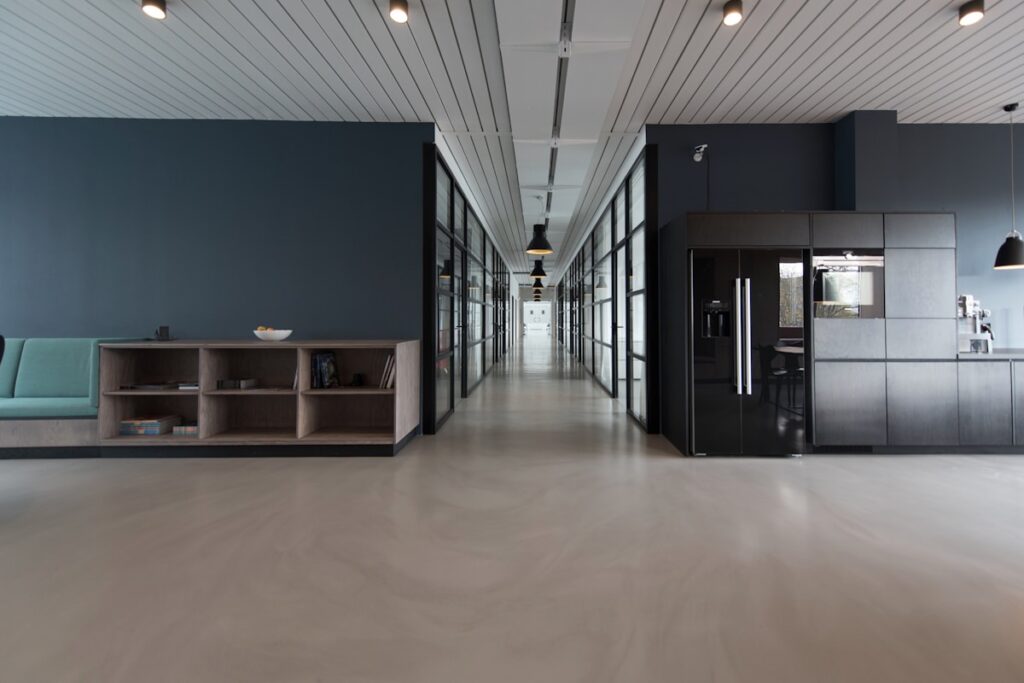
Conference rooms: Choose art that’s engaging but not distracting. Mid-tone abstracts or nature scenes work well — they give the eye somewhere to rest during long meetings without pulling focus from presentations.
Open plan offices: Use art to define zones and create visual landmarks. Large prints in break areas signal “this is where you relax.” Art near collaborative spaces can be more vibrant and energizing.
Placement Rules for Office Art
Eye level is key: Center art at 57-60 inches from the floor — the standard gallery height. In seated office environments, you can go slightly lower so art is at eye level when sitting.
Behind the desk: Perfect for video calls and a natural focal point. Choose something you enjoy looking at — you’ll see it every day.
Opposite the desk: This is what you see when you look up. Choose something calming or inspiring — not something that adds visual noise.
Near the entrance: A piece near the door creates a welcoming transition into your work mindset.
📐 Size Guide for Offices
For a standard home office (10×12 ft), a single piece between 24×36″ and 36×48″ works well. For larger corporate spaces, go bigger — a 40×60″ statement piece or a coordinated set of 3. Small art on a large wall looks unintentional.
Color Choices That Enhance Focus
Blue: The ultimate focus color. Studies show blue environments improve concentration and cognitive performance. Choose navy for authority or soft blue for calm.
Green: Reduces eye fatigue and promotes balance. Especially effective in offices where you spend 8+ hours staring at screens.
Neutral tones: Gray, cream, and taupe create a professional backdrop that doesn’t compete with your work. Add one accent color for visual interest.
Avoid: Bright red (raises blood pressure), neon colors (eye fatigue), and overly dark pieces in small offices (makes spaces feel cramped).
Building an Office Art Collection
You don’t need to fill every wall at once. Start with one statement piece behind your desk, then add as you find pieces that resonate. Rotate art seasonally to keep your space feeling fresh — what inspires you in January might feel stale by June.
Online galleries make it easy to browse by style, color, and size. WallartK’s collection includes curated office-ready prints with professional framing — so you get gallery-quality art delivered ready to hang.
Upgrade Your Office
Browse our curated collection of office-ready wall art — professional, inspiring, and available in any size with premium framing options.
Related reading: Wall Art Size Guide | Modern Wall Art Ideas | Abstract Art for Beginners