
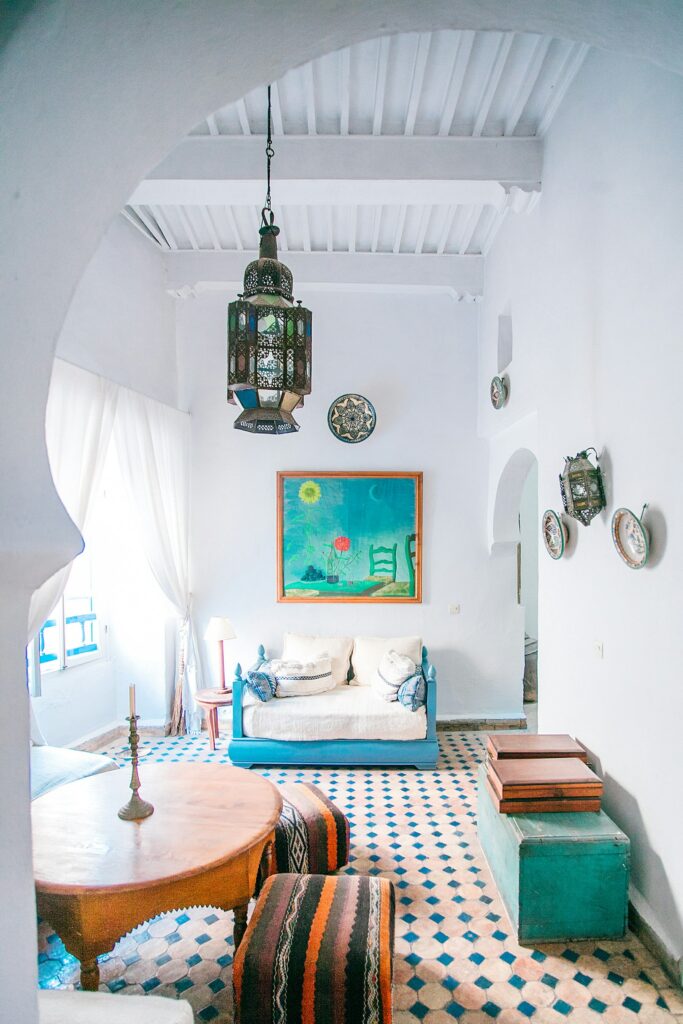
Coastal Living Room
A coastal living room should feel like a deep exhale. Bright, unhurried, connected to nature — the kind of space that makes you feel like you’re on holiday even when you’re miles from the sea. And the single most transformative element in any coastal room? The wall art.
Get the art right, and everything else falls into place. Get it wrong, and even the best furniture arrangement will feel off. This guide walks you through everything — from choosing the right coastal art style to nailing placement, scale, and color coordination — so your living room genuinely captures the feeling of the coast.

What Makes a Coastal Living Room Actually Work
Before we talk about art, let’s be clear about what coastal style is — and isn’t. It’s not anchors, lifebuoys, and “Life is Better at the Beach” signs. That approach looks dated and kitschy within a year.
True coastal design is about atmosphere. It captures the light, color, texture, and calm of the seaside without literally recreating a maritime museum. The most beautiful coastal rooms could pass for sophisticated Scandinavian or minimalist interiors — it’s the art and color palette that whispers “ocean” rather than shouting it.
The goal: walk into the room and feel a shift. Your shoulders drop. You breathe more slowly. That’s the coastal effect done right.
The 5 Best Types of Wall Art for a Coastal Living Room
1. Large-Scale Ocean Photography
Nothing establishes a coastal atmosphere faster than a single large photograph of the sea. We’re talking 24″ x 36″ minimum — ideally larger for living rooms with generous wall space. The image should have presence.
The most effective shots: aerial coastline views, close-up wave photography capturing texture and movement, moody overcast seascapes in soft greys and blues, or panoramic beach horizons at golden hour. Avoid overly saturated “tourist brochure” shots — the more atmospheric, the better.
A large ocean photograph above your sofa acts as a visual window — a portal to the sea that anchors the entire room. Pair it with simple furniture and let the image breathe.

2. Abstract Coastal Art
For rooms that want a coastal feel without the literal imagery, abstract art in ocean tones is the sophisticated solution. Think layered blues, soft teals, sandy neutrals, and occasional touches of coral — painted in loose, organic strokes that suggest water without depicting it.
Abstract coastal prints work beautifully in modern and contemporary interiors where a photograph might feel too obvious. They also layer well in a gallery wall arrangement — mix one large abstract with two smaller complementary pieces for a collected, gallery-style effect.
3. Botanical and Natural Prints
Coastal environments are defined by more than water — the flora matters enormously. Palm fronds, tropical leaves, sea grasses, and dune botanicals bring an organic, sun-warmed quality to coastal rooms that purely ocean-focused art can miss.
Botanical prints in simple white or natural wood frames feel light and airy — essential qualities in coastal design. A triptych of botanical prints creates a cohesive statement without the visual weight of a single large piece. This approach works particularly well on narrower walls or in smaller living rooms.
4. Minimalist Line Art
Simple single-line drawings of waves, boats, shells, or coastal silhouettes have become a staple of modern coastal interiors — and for good reason. They’re versatile, affordable, and allow the coastal narrative without overwhelming the room.
Use minimalist line art as accent pieces rather than focal points: on shelves, in small groupings beside larger artwork, or as part of a mixed-media gallery wall. Black on white is the most flexible colorway, but navy or teal on cream adds warmth.
5. Vintage Coastal Maps and Prints
Antique coastal maps, vintage surf posters, and old maritime illustrations bring a layered, lived-in quality to coastal rooms. They suggest a life genuinely connected to the sea rather than a decorator’s interpretation of one.
These work especially well in transitional coastal interiors — rooms that blend coastal with traditional or eclectic elements. Frame them in aged gold, warm brass, or dark wood for a collected, heritage feeling.
In a coastal living room, aim for one dominant art statement (large-scale focal piece) plus two or three supporting pieces. Too much art of equal weight creates visual noise that undermines the calm coastal atmosphere you’re after.
Color: Getting the Coastal Palette Right
The biggest mistake in coastal living rooms is going too blue. An all-blue room feels cold and flat — more office waiting room than seaside retreat. The most beautiful coastal rooms use a layered palette that includes the full range of the coast.
Think about what you actually see at the beach: sand, bleached driftwood, sun-faded whites, silvery greys, the deep navy of the open ocean, the soft turquoise of shallow water, the warm coral of a sunset. Your art palette should reflect this range.
A well-balanced coastal art palette for a living room:
- Anchor color: Deep navy or slate blue (one dominant art piece)
- Mid tones: Soft teal, ocean blue, sage green (secondary art pieces or accents)
- Warm notes: Sandy beige, driftwood grey, muted coral (prevents the room from reading cold)
- Relief: Crisp white and natural linen (frames, mounts, textile pairings)
When choosing your wall art, pull these colors through intentionally. A warm-toned botanical print alongside a cool seascape gives the room the tonal range that makes it feel curated rather than themed.

Scale and Placement: The Rules That Actually Matter
The 60% Rule for Sofa Art
The most common piece of art advice — and the most commonly ignored — is scale. Art above a sofa should be roughly 60% of the sofa’s width. On a standard 84″ sofa, that means art between 48″ and 54″ wide. A single oversized print, a pair of medium prints, or a carefully composed trio can all work.
Too small, and the art floats unanchored above the furniture. Too large, and it overwhelms. Get this right and your coastal living room will photograph beautifully from across the room.
Height: Lower Than You Think
Hang art lower than instinct suggests. The center of your artwork should sit at eye level — roughly 57″ to 60″ from the floor when standing. Above a sofa, the bottom of the frame should be 6″ to 8″ above the top of the sofa cushions. This connects the art to the furniture rather than leaving it stranded on the wall.
The Coastal Gallery Wall
Gallery walls work brilliantly in coastal rooms — they evoke a collected, personal feeling that suits the unhurried coastal lifestyle. For a cohesive coastal gallery wall, follow these principles:
- Choose a unified color palette (the blues, whites, and sandy tones discussed above)
- Mix one large anchor piece with medium and small supporting works
- Vary the content: one photograph, one abstract, one botanical, one text or map piece
- Use consistent framing (all white, all natural wood, or all a single dark tone)
- Leave 2″ to 3″ between frames — enough breathing room without feeling scattered
Our complete gallery wall guide walks through layout planning in detail — highly recommended reading before you start hammering.
Choosing Frames for Coastal Art
The frame is not an afterthought. In coastal design, it’s part of the art. The wrong frame can undermine even a beautiful print — the right frame elevates an ordinary image into something that feels intentional and complete.
Frames that work in coastal living rooms:
- Whitewashed or bleached wood: The most quintessentially coastal option. Light, natural, and never heavy
- Natural light oak: Warm without being rustic. Pairs beautifully with soft coastal tones
- Matte white: Clean and modern. Works best in contemporary coastal interiors
- Driftwood grey: Textured and organic. Adds the weathered quality of genuine coastal living
- Thin brushed brass: For warm coastal or resort-style rooms. Use sparingly — one or two pieces maximum
Avoid: dark espresso, ornate gold, or heavy black frames. They anchor the room in a way that fights the lightness coastal design depends on.
If you’re mixing frame finishes (which can look beautiful), choose a common element that ties them together — all matte finishes, all natural materials, or all within the same tonal family. Random mixing looks accidental; intentional mixing looks collected.
Room-by-Room: Coastal Art Placement in a Living Room
The Primary Wall (Behind the Sofa)
This is your statement wall. One large-scale ocean photograph, abstract coastal print, or a carefully curated coastal gallery wall. This single decision sets the tone for the entire room. Invest here first — everything else responds to it.
Our coastal art collection includes over 200 ocean photography prints, abstract seascapes, and botanical coastal pieces in a range of sizes perfect for this central position.
The Fireplace Wall
Above a fireplace, keep art proportional to the mantle width. A single horizontal photograph or abstract works better here than a vertical piece — it mirrors the horizontal line of the mantle and creates visual harmony. Choose something calm and contemplative: a quiet horizon, soft waves, a lone coastal landscape.
Alcoves and Awkward Spaces
Built-in alcoves, under stairs, or narrow walls beside doorways are perfect for smaller coastal prints. A pair of A4 or A3 botanical prints in matching frames looks intentional and polished in spaces that a single large piece would overwhelm.
The Shelf Gallery
Floating shelves offer a flexible, no-commitment approach to coastal art. Lean smaller prints against the wall, mix with plants and objects, and rotate pieces seasonally. It’s the most lived-in, personal approach to coastal art — and the most forgiving if you change your mind.
Common Mistakes to Avoid
Going Too Literal
Decorative anchors, “Seas the Day” signs, and cartoon crabs are coastal clichés that date your room instantly. The best coastal living rooms feel like places where someone actually lives near the sea — not a seaside gift shop. Trust the subtlety of good art over obvious maritime symbols.
Ignoring Scale
A small print on a large wall looks lost and tentative. Coastal design relies on openness and breathing room, which means fewer, larger pieces rather than walls crowded with small art. When in doubt, go bigger.
All Blue, No Warmth
We said it before: all-blue rooms feel cold. Add warm sandy tones, natural wood, and cream accents — both in your art choices and your furniture and textiles. The coast isn’t monochromatic.
Neglecting the View
If your living room has a view — even a modest garden view — let it breathe. Don’t hang art that competes with natural light or draws attention away from windows. The art should complement the room’s relationship with the outside world, not block it.
Cheap Prints, Beautiful Room
Quality matters more in coastal rooms than perhaps any other interior style. Because the aesthetic is so clean and minimal, low-quality prints — thin paper, dull colors, visible pixellation — are immediately noticeable. Invest in print quality. Museum-grade printing on fine art paper lasts for decades and holds color beautifully even in rooms with significant natural light.
Your Coastal Living Room Art Checklist
- One primary art statement on the main wall (large-scale photograph, abstract, or gallery wall)
- Color palette spans the full coastal range — not just blues
- Art is proportional to furniture (60% of sofa width for above-sofa placement)
- Center of art at 57–60″ from floor, or 6–8″ above sofa back
- Frame style is consistent (all one material or deliberately complementary)
- No more than one “literal” coastal element (lighthouse, boat, etc.) if any
- Mix of content types: at least one organic/natural element alongside ocean imagery
- Quality print on fine art paper — no pixellation, no thin canvas
Where to Start: Building Your Coastal Room Art Collection
The single most important advice: start with one piece and build from there. Choose your primary statement wall art first — the piece that captures the coastal feeling you’re after. Once that’s in place, every other decision becomes easier because you’re responding to an existing anchor rather than trying to plan everything in the abstract.
Look for ocean photography or coastal abstract art in sizes 24″ x 36″ or larger for primary placements. For supporting pieces, 16″ x 20″ works well as a complement to a large focal point. For gallery walls, mix sizes — one anchor piece, two medium, one or two small.
Browse our full coastal collection — including ocean photography, abstract seascapes, botanical coastal prints, and landscape art in print-on-demand quality across all standard sizes. Every piece is available in multiple size options so you can match your exact wall dimensions.
Whether you’re starting with a blank wall or refreshing a room that’s never quite felt right, the right coastal art is what makes the difference between a room that looks like the coast and one that genuinely feels like it.
Ready to Transform Your Living Room?
Explore over 200 coastal art prints — ocean photography, abstract seascapes, and botanical prints — all museum-quality and print-on-demand.